
Inside the Body of the Iceman — A Life Frozen in Time -part 2
When scientists began examining Ötzi the Iceman, they weren’t just studying a mummy — they were reading a biological diary written over 5,300 years ago. Every cut, every fiber of clothing, every chemical trace inside his body told a story. And slowly, a man from the Copper Age came back to life.
sneha shah
2/28/20262 min read
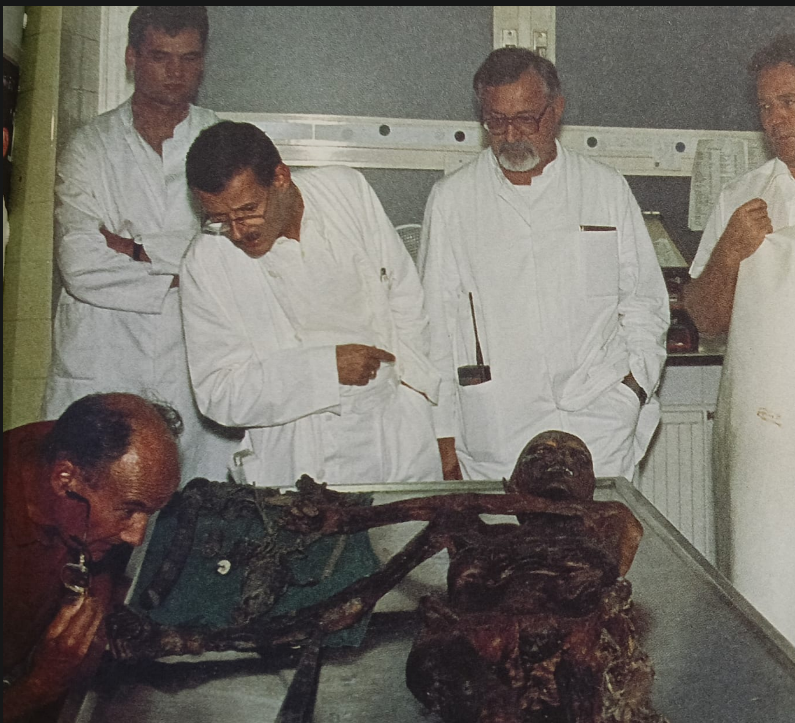
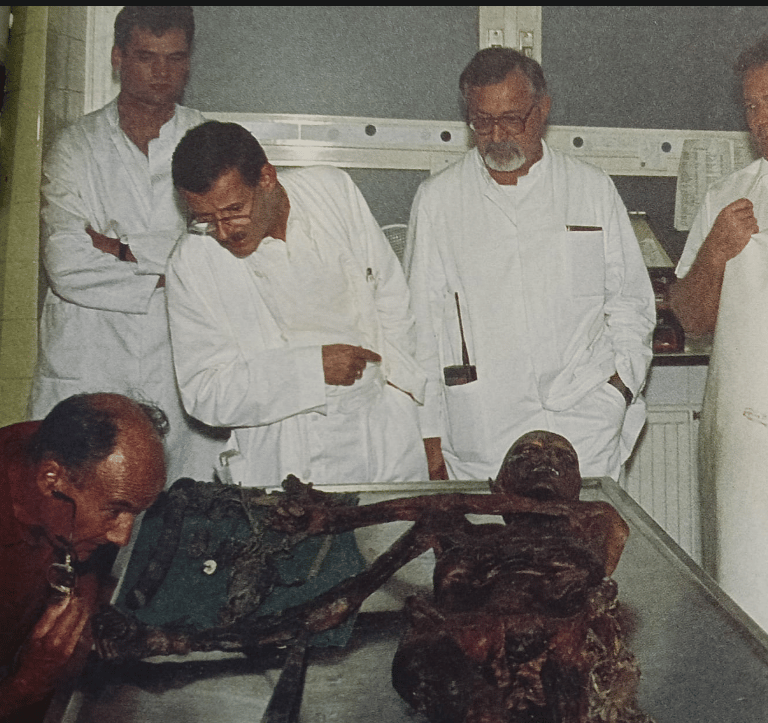
Who Was the Iceman?
Ötzi lived around 3300 BCE, during the Copper Age — a time when humans balanced between stone tools and early metal technology.
He was approximately:
45 years old
About 160 cm (5’2”) tall
Lean, muscular, and physically hardened
His bones showed joint wear and arthritis, especially in the knees and spine. This wasn’t due to age alone — it suggested constant movement across steep alpine terrain. Ötzi walked long distances, often uphill, carrying heavy loads.
This was not a sedentary life.
This was survival on hard mode.
Clothing Designed for Survival, Not Fashion
Ötzi’s clothing was shockingly advanced.
He wore:
A coat made of goat and sheep skin
Leggings stitched from animal hide
A loincloth
A bear-skin cap
Shoes insulated with grass stuffing for warmth and shock absorption
This wasn’t random animal skin thrown together. It was engineered for cold, wind, and altitude.
Ancient humans didn’t “wing it.”
They optimized.
Tools That Revealed His Status
Among Ötzi’s possessions, one item stood out:
a copper axe.
Copper was rare and expensive in his time. Most people still used stone tools. Carrying a copper axe strongly suggests Ötzi had high social status — possibly a leader, craftsman, or person of authority.
Other tools included:
A flint dagger
An unfinished longbow
Arrows in different stages of production
A tool kit with birch bark containers, likely used to carry embers or medicinal fungi
He wasn’t just traveling.
He was prepared.
Tattoos That Functioned Like Medicine
Ötzi had 61 tattoos, made by cutting the skin and rubbing charcoal into the wounds.
What’s fascinating is where they were placed:
Near joints
Along the lower back
Around knees and ankles
These areas match pain points caused by arthritis — and many align closely with modern acupuncture points.
This suggests the tattoos were not decorative but therapeutic.
Five thousand years ago, humans were already experimenting with pain relief.
Modern medicine didn’t invent wisdom — it rediscovered it.
What He Ate Before He Died
Scientists analyzed Ötzi’s stomach contents and reconstructed his last meal.
It included:
Ibex meat
Red deer fat
Einkorn wheat
The meal was high in fat and protein, ideal for cold environments and long travel. This wasn’t casual eating — it was strategic nutrition.
He ate shortly before death.
He did not expect to die that day.
Evidence of a Violent End
Ötzi’s body revealed disturbing clues.
An arrowhead was embedded in his left shoulder, damaging an artery. The wound would have caused rapid blood loss.
There was also evidence of:
A head injury
Defensive wounds on the hands
These findings strongly suggest Ötzi was attacked, possibly ambushed from behind. Whether it was a conflict, a raid, or betrayal remains unknown — but his death was not peaceful.
The Alps were not just cold.
They were dangerous.
A Human, Not a Legend
What makes Ötzi extraordinary is not that he died — but that he lived so fully.
He worked, traveled, healed himself, planned ahead, ate carefully, and adapted intelligently to his environment. Strip away modern technology, and his priorities don’t feel alien at all.
Survive.
Protect yourself.
Keep moving forward.
🔜 Coming Next: Part Three
The Legacy of the Iceman — How One Body Changed Science Forever